The Ultimate Guide to Ford Explorer ST Performance UpgradesThe Ultimate Guide to Ford Explorer ST Performance Upgrades
The Ford Explorer ST disrupted the three-row SUV segment by proving that utility doesn’t have to come at the expense of excitement. With its standard 3.0-liter EcoBoost V6 pumping out 400 horsepower and 415 lb-ft of torque from the factory, the Explorer ST is a sleeper powerhouse. However, for enthusiasts who believe that “too much is just enough,” the aftermarket support for Explorer ST upgrades has exploded, allowing owners to transform this family hauler into a genuine sport utility vehicle that can rival dedicated performance cars.
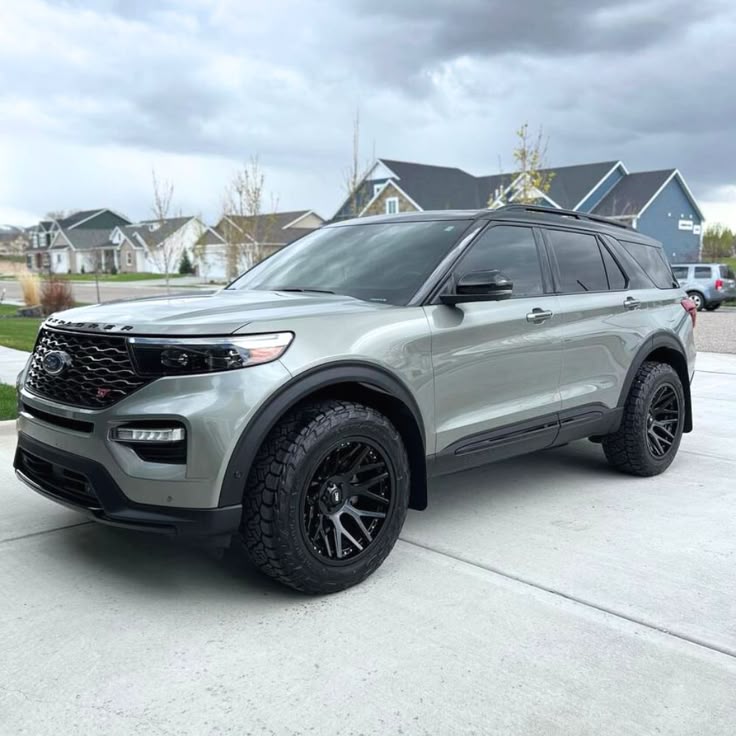
Why Modify the EcoBoost Platform?
The beauty of the Ford EcoBoost architecture lies in its untapped potential. Ford factory-tunes these engines for a balance of reliability, fuel economy, and longevity. By utilizing Ford Explorer ST performance upgrades, owners can safely unlock the restrictions set by the factory engine control unit (ECU) and improve airflow to see significant gains.
The most impactful starting point for any build is a cold air intake system paired with a higher-flow intercooler. The stock intercooler is prone to heat soak, especially during spirited driving or in warmer climates. Aftermarket intercoolers reduce intake air temperatures, preventing the ECU from pulling timing (and thus power) under load. When combined with a high-flow intake, the turbochargers can breathe more efficiently, reducing spool time and sharpening throttle response.
Ford Explorer ST turbo upgrade
Tuning: The Heart of Performance
While bolt-ons provide the foundation, a custom ECU tune is where the magic happens. Reputable tuners specializing in EcoBoost platforms offer calibration files that adjust boost pressure, fuel mapping, and transmission shift points.
A simple stage 1 or 2 tune can push the Explorer ST’s output from the stock 400 hp to well over 500 horsepower at the crank. These tunes not only increase straight-line speed—dropping the 0-60 mph time from the mid-5-second range to the low 4-second range—but also refine the behavior of the 10-speed automatic transmission. Owners often report that a performance calibration eliminates the sluggish shifting found in stock SUVs, making the vehicle feel significantly more responsive.
Supporting Modifications and Reliability
With increased power comes the need for enhanced stopping and handling. Given the Explorer ST’s curb weight of approximately 4,700 pounds, upgrading the braking system is crucial. High-performance brake pads, slotted rotors, and a stiffer suspension setup (such as lowering springs or coilovers) ensure that the vehicle remains composed under hard acceleration and heavy braking.
Whether you are looking to dominate at the drag strip or simply want a more engaging daily driver, Ford Explorer ST performance upgrades offer a clear path to customization. By focusing on a combination of airflow improvements, professional ECU tuning, and chassis reinforcement, owners can safely unlock the full potential of this versatile SUV. Always consult with reputable manufacturers and certified tuners to ensure your upgrades are installed correctly and maintain the vehicle’s reliability for years to come.