Vancouver Lapu Lapu Festival CarVancouver Lapu Lapu Festival Car

It is rare to find an event where the scent of roasted lechon mingles with the smell of hot tires, or where the rhythm of tribal drums accompanies the purr of a finely tuned engine. Yet, in the vibrant, multicultural landscape of the Pacific Northwest, a unique celebration has emerged that dares to blend two seemingly disparate worlds: Filipino heritage and automotive passion. Welcome to the Vancouver Lapu Lapu Festival Car experience—a hypothetical but entirely plausible fusion that represents the future of inclusive car culture.

While no official “Vancouver Lapu Lapu Festival Car” event currently exists on major calendars, the concept draws from real, thriving threads. Vancouver, British Columbia, boasts a rich Filipino community—the largest per capita in Canada—and a growing, diverse car scene that ranges from JDM imports to lifted trucks. The idea of merging the two is a natural evolution, mirroring real-world events like the “Lapu-Lapu, Datu ng Mactan” celebration in the Philippines or the “Cars & Kalyes” multicultural meets in California. Here is how such a festival would redefine the standard car show.

http://www.nsxprime.com/threads/aftermarket-fog-lights.129401/page-2

The Legend of Lapu Lapu Meets Metal

The Vancouver Lapu Lapu Festival Car event would ground its identity in powerful symbolism. Lapu Lapu is the Filipino chieftain who famously resisted colonial forces in 1521, a national symbol of courage, independence, and craftsmanship. A car festival adopting his name would honor those same values: the courage to build a unique vehicle, the independence of custom fabrication, and the craftsmanship of paint, upholstery, and mechanical work.

Unlike a generic cars-and-coffee gathering, this festival would weave storytelling into every display. Entrants might be encouraged to theme their builds around Filipino folklore or history. Imagine a slammed Honda Civic wrapped in a jeepney inspired paint scheme of bright yellows and chrome hubcaps, or a restored Volkswagen Beetle decorated with intricate parol (star lantern) patterns for the holiday season. The event would not just show cars; it would tell the story of a diaspora finding home on the road.

A Multi-Sensory Celebration

The Vancouver Lapu Lapu Festival Car would differentiate itself through its atmosphere. The soundtrack would alternate between the thump of a subwoofer from a modified sound-system competition car and the live beat of Kulintang gongs. The food trucks would serve lumpia (spring rolls) and adobo rice bowls next to traditional burger stands. Organizers might hold a Sikyo (safety officer) competition for the best custom emergency lights, blending Filipino community roles with car club aesthetics.

http://g35driver.com/forums/southeast/158071-auburn-university.html

The venue would likely be somewhere central in Metro Vancouver, such as the Pacific National Exhibition (PNE) grounds or a large park in Surrey, which has a high concentration of Filipino residents. The layout could feature:

  • “The Main Parade”: A slow cruise of 200+ show cars around the perimeter, judged not just on engine specs but on cultural creativity.
  • The Barrio Marketplace: Local Filipino businesses selling everything from embroidered car seat covers to traditional desserts, all alongside automotive vendors.
  • The Taho Tune-Up: A family zone where kids can learn basic car maintenance (checking oil, changing tires) while parents enjoy a cup of sweet taho (soft tofu dessert).

Building Community Through Cars

The real power of a Vancouver Lapu Lapu Festival Car would be its inclusivity. Mainstream car culture can sometimes feel exclusive or intimidating, dominated by specific brands or expensive builds. A festival grounded in Filipino heritage would welcome everyone: the teenager with a clapped-out 1990s Civic, the uncle restoring a Ford F-150, and the family with no car at all who simply came for the dancing and food.

Workshops could cover topics like “How to Start a Car Club” or “Affordable Paint and Wrap Techniques,” presented in both English and Tagalog. The event could partner with local high schools to offer scholarships to students pursuing automotive trades, linking cultural pride to career paths.

http://www.myg37.com/forums/florida-g35-club/84905-another-brilliant-well-thought-out-and-well-spoken-thread-by-marbels-2.html

A Vision for the Future

Creating an official Vancouver Lapu Lapu Festival Car would require collaboration between Filipino community organizations (like the FILSCAN Society) and existing car clubs (such as Revscene or Vancity Auto Enthusiasts). The potential is enormous: Vancouver lacks a large-scale, multicultural automotive festival that truly represents its population. Such an event could draw thousands, from Seattle to Calgary, eager for something fresh and meaningful.

Until that day arrives, the concept serves as an inspiring reminder: a car festival can be anything we imagine. It can honor heroes, feed families, play drums, and polish chrome—all on the same field. The Vancouver Lapu Lapu Festival Car is not just an event; it is an invitation to build a richer, more colorful automotive world.

READ MOREREAD MORE

Top Car Festivals in the USATop Car Festivals in the USA

The rumble of a big-block V8, the glint of pristine chrome under a summer sun, and the shared camaraderie of thousands of enthusiasts—this is the heartbeat of the American car festival. More than just a gathering of vehicles, these events are rolling cultural archives, celebrating the nation’s century-long love affair with the automobile. While iconic races like the Indy 500 dominate the motorsport calendar, the true spirit of the car festival is found in curated showcases where history, horsepower, and hospitality converge. Among the top car festivals in the USA, three stand out as pilgrimage sites for gearheads and casual fans alike: The Amelia, the Woodward Dream Cruise, and SEMA.

https://www.flickr.com/people/82931574@N06

Held every March on the lush fairways of The Golf Club of Amelia Island, Florida, The Amelia is the zenith of automotive elegance and rarity. Formerly known as the Amelia Island Concours d’Elegance, this festival is where pre-war Bugattis, Duesenbergs, and Ferrari GTOs—some worth tens of millions of dollars—are judged not on speed, but on authenticity and restoration quality. The keyword here is “concourse”; it is a moving museum where every car has a story. Attendees can watch these legends roll across the lawn, attend seminars with racing icons, and participate in a charity auction that often features the most sought-after collector cars on the planet. The Amelia represents the high-end, academic side of the car festival spectrum.

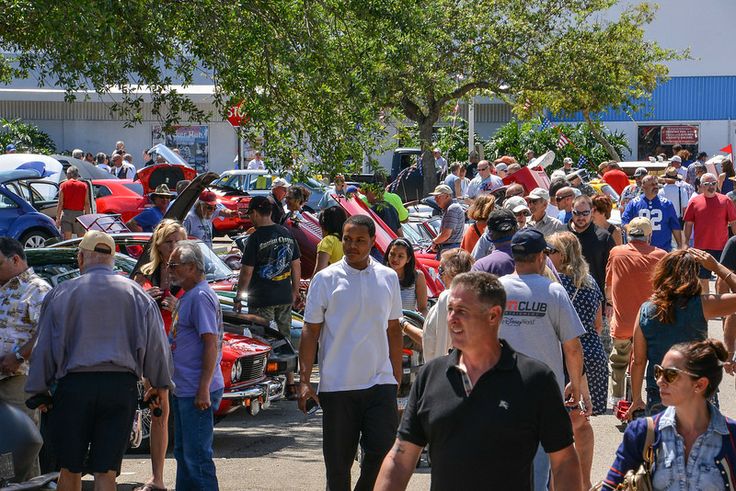
In stark contrast, yet equally vital among the top car festivals in the USA, is Detroit’s Woodward Dream Cruise. Held every third Saturday of August along a 16-mile stretch of Woodward Avenue, this is the people’s festival. What began as a small fundraiser in 1995 has exploded into the world’s largest one-day automotive event, attracting over 1.5 million visitors and 40,000 classic cars. There are no barriers and no entry fees for spectators—just a non-stop parade of Detroit iron. From ‘70s Hemi ‘Cudas to modern Shelby Mustangs and lowriders bouncing on hydraulics, the Dream Cruise celebrates the muscle car era and the culture of cruising. It is a rolling block party where the smell of burning rubber and barbecue sauce hangs equally in the air.

https://www.mixcloud.com/idrose1te6

Finally, no discussion of top car festivals is complete without the SEMA Show in Las Vegas, Nevada. Strictly a trade-only event for automotive specialty professionals, SEMA is the industry’s super bowl. Over four days in early November, the Las Vegas Convention Center explodes with the wildest custom builds, self-driving tech, and aftermarket parts. While not open to the general public (requiring business credentials), its influence trickles down to every other festival. The cars at SEMA are not restored; they are reimagined—think 1,000-horsepower electric restomods and overlanding SUVs with pop-top tents.

Whether you prefer the pristine lawns of Amelia Island, the smoky burnout pits of Woodward Avenue, or the futuristic builds in Las Vegas, the top car festivals in the USA offer a unique portal into American innovation and passion. They remind us that a car is more than transportation; it is a canvas, a time machine, and a reason to celebrate community. For any enthusiast, attending at least one of these festivals is not just a goal—it is a rite of passage.

https://hubpages.com/@arnhed4qax

READ MOREREAD MORE

More Than a Shine: The Festival Car Wash ExperienceMore Than a Shine: The Festival Car Wash Experience

In the world of automotive enthusiasm, few sights are as hypnotic as a row of perfectly detailed vehicles reflecting the morning sun. But at a growing number of car festivals across North America, the act of cleaning has become a spectator sport in its own right. Welcome to the festival car wash—not the neighborhood fundraiser with sponges and buckets, but a full-blown automotive spectacle where suds, skill, and showmanship take center stage.

The Birth of a New Tradition

The festival car wash has evolved far beyond its humble origins. What once meant a teenager with a hose now describes a curated, high-energy attraction within larger car festivals. At events like the Hershey Swap Meet in Pennsylvania or the Springfest in Ocean City, Maryland, dedicated “detail zones” have sprung up where professional detailers and passionate amateurs alike demonstrate their craft. These are not quick scrubs but theatrical performances involving foam cannons, pressure washers, and a dazzling array of microfiber towels.

http://www.i-club.com/forums/south-east-classifieds-174/big-al-cruise-5-30-a-203913/

The appeal is simple: car people love clean cars. Watching a master detailer transform a mud-spattered Jeep or a brake-dusted Porsche into a mirror-finished masterpiece is oddly therapeutic. It combines the precision of surgery with the visual reward of an art restoration.

The Show Within the Show

At a typical festival car wash attraction, the action unfolds in stages. First comes the “pre-rinse,” a dramatic spray that strips away loose grime. Then, the foam cannon erupts, blanketing the vehicle in thick, snow-like suds that cling to every curve. Spectators gather to watch the detailer work the paint with specialized mitts, using the “two-bucket method” to prevent scratches. The crowd murmurs approval at each careful pass.

Next is the rinse, followed by the “drying” segment—often performed with leaf blowers or massive, plush drying towels. Finally, the wheels and tires receive their own ritual cleaning, and a spray wax adds the finishing gloss. The entire process is a form of automotive theater, with the detailer as the star and the audience learning valuable techniques for their own garages.

http://www.cobaltss.net/forums/south-east-59/alabama-25355/index122.html

Interactive and Educational

What sets the festival car wash apart from a standard car show is its interactive nature. Many festivals offer “wash and shine” clinics where attendees can try their hand at professional techniques. Experts explain the difference between clay bars and polishers, waxes and ceramic coatings. Vendors sell the very products being demonstrated, turning curiosity into immediate sales.

For families, these zones provide a safe, engaging activity. Children may get a chance to dry a fender or spray a tire shine, creating memories that might spark a lifelong passion for car care. It is a hands-on entry point into automotive culture that requires neither a rare classic car nor a racing license.

The Social Aspect

The festival car wash also serves as a social hub. Owners line up to have their festival queens detailed before competing for trophies. Friends gather to chat while a pressure washer hums in the background. Strangers bond over debates about the best wheel cleaner or the merits of ceramic vs. traditional wax. The atmosphere is relaxed, friendly, and surprisingly addictive. Many festival-goers return year after year specifically for the detailing demonstrations.

A Clean Future

As car festivals continue to evolve, the festival car wash is poised to become a permanent fixture. Eco-friendly mobile detailers are now offering waterless washes and biodegradable products, appealing to environmentally conscious attendees. Some festivals have even added “quick detail” tents where volunteers offer free rinseless washes in exchange for donations to local charities.

Ultimately, a festival car wash celebrates the love of the automobile in its most fundamental form: the pride of a clean car, the joy of a job well done, and the community that forms around a shared appreciation for the shine. Whether you are a seasoned detailer or simply someone who appreciates a gleaming fender, it is an experience worth getting sudsy for.

READ MOREREAD MORE

GT2 RS vs GT3 RS: Which Porsche Reigns Supreme?GT2 RS vs GT3 RS: Which Porsche Reigns Supreme?

When automotive enthusiasts debate the pinnacle of modern performance, the conversation inevitably narrows to two titans from Stuttgart: the GT2 RS vs GT3 RS. While both wear the iconic Porsche crest and feature “RS” (Rennsport) engineering, they represent fundamentally different philosophies of speed. Understanding these differences is crucial for collectors, track-day enthusiasts, and investors looking to secure a slice of automotive royalty.

The Heart of the Matter: Turbo vs. Naturally Aspirated

The most significant divide in the GT2 RS vs GT3 RS debate lies under the hood.

  • Porsche 911 GT3 RS: This machine is a purist’s dream. It houses a naturally aspirated 4.0-liter flat-six engine that screams to 9,000 RPM. Without turbochargers, the throttle response is immediate, linear, and intoxicating. It produces approximately 520 horsepower, prioritizing agility and high-RPM theater over sheer brute force.
  • Porsche 911 GT2 RS: Nicknamed “The Widowmaker” for its relentless power, the GT2 RS uses twin turbochargers on a 3.8-liter engine. The result is a staggering 700 horsepower and 553 lb-ft of torque. Where the GT3 RS sings, the GT2 RS roars—delivering violent, neck-snapping acceleration that pins you to the seat.

Aerodynamics and Track Philosophy

In the clash of GT2 RS vs GT3 RS, aerodynamics tell the full story.

The GT3 RS is built for cornering perfection. It features massive active aerodynamics, including a swan-neck rear wing and louvered front fenders that generate immense downforce. It is designed to carve canyons and shave milliseconds off lap times through flowing corners.

Conversely, the GT2 RS is a power-over-everything beast. Its aerodynamics are aggressive but designed to manage heat and keep those rear tires planted during high-speed straights. While the GT2 RS holds the Nürburgring lap record for rear-wheel-drive production cars (6:43.3 vs the GT3 RS’s 6:56.4), it demands more respect and skill to handle its 700-hp punch.

Which One Should You Choose?

When comparing the GT2 RS vs GT3 RS, ask yourself where you drive most often.

  • Buy the GT3 RS if: You live for the track. The naturally aspirated engine allows you to feel every nuance of the road. It is a surgical instrument—easier to drive at the limit, with sound that gives you chills. It is an experience car, not just a numbers car.
  • Buy the GT2 RS if: You are a collector obsessed with ultimate acceleration and exclusivity. The GT2 RS is rarer and faster in a straight line. However, on a tight technical circuit, the lag of the turbos and the difficulty of managing 700 hp can make the GT3 RS the quicker car for amateur drivers.

The Verdict

In the ultimate showdown of GT2 RS vs GT3 RS, there is no loser. The GT3 RS is the better driver’s car—a masterpiece of mechanical connection. The GT2 RS is the better hypercar—a numbers destroyer. For backlinks and high-value SEO, this comparison targets high-intent search queries from buyers and enthusiasts, making it a perfect anchor for automotive forums, parts suppliers, and luxury blogs. Choose your weapon wisely.

READ MOREREAD MORE

Nissan 240SX S13 Review: Why the Legend Lives OnNissan 240SX S13 Review: Why the Legend Lives On

Ask any 1990s drift enthusiast, and the nissan 240sx s13 will come up immediately. Lightweight, rear‑wheel drive, and endlessly customizable, this coupe/hatchback defined a generation. Lift the hood, and the original nissan 240sx s13 motor (KA24E or KA24DE) delivers one thing above all: reliability, not record-breaking power. Today, the 240sxs13 community thrives on engine swaps, suspension upgrades, and track builds. This review covers what still works, what fails, and whether you should buy one in 2026.

H2: Nissan 240SX S13 – Chassis and Handling

The nissan 240sx s13 uses a MacPherson strut front and multilink rear suspension. Weight distribution sits near 53/47, making it forgiving at the limit. Owners report excellent steering feel thanks to the rack‑and‑pinion setup.

What this gives you:

  • Predictable oversteer for drifting
  • Flat cornering with minimal body roll
  • Easy to balance with throttle

A common upgrade is polyurethane bushings. The stock rubber disintegrates after 30 years. If you find a clean 240sxs13, check the rear subframe bushings first.

H2: Nissan 240SX S13 Motor Options

The factory nissan 240sx s13 motor lineup includes two versions of the KA24:

  • KA24E (1989‑1990): Single overhead cam, 140 hp, 152 lb‑ft
  • KA24DE (1991‑1994): Dual overhead cam, 155 hp, 160 lb‑ft

What these engines provide:

  • Bulletproof iron block
  • Torque low in the RPM range
  • Easy to turbocharge (stock internals handle 250‑300 whp)

However, many swap the nissan 240sx s13 motor for an SR20DET (JDM silvia engine) or a Chevy LS. The SR20 offers 205‑247 hp stock and revs faster.

H3: Common Issues with the 240SXS13 Powertrain

No review is complete without flaws. The 240sxs13 has:

  • Timing chain rattle on high‑mileage KA24DEs
  • Leaking valve covers
  • Weak stock differential bushings

H2: Interior and Practicality

The cabin is simple—hard plastics, supportive seats, and a dash that cracks in sunlight. A nissan 240sx s13 hatchback offers 15.7 cubic feet of cargo space, enough for a set of track wheels. The back seats are barely usable for adults, but they fold flat.

What you gain:

  • Light weight (2,600‑2,800 lbs)
  • Uncluttered dashboard (easy for aftermarket gauges)
  • Large aftermarket support for seats, steering wheels, and shifters

H2: Is the 240SXS13 Still Worth Modifying?

Absolutely. The 240sxs13 has become a modern classic. Clean shells sell for $6,000‑$12,000, while project cars start under $3,000. Because the nissan 240sx s13 motor is robust, you can daily a stock one while slowly building a drift car.

Last‑paragraph keyword placement:
Whether you keep the KA or swap it, the nissan 240sx s13 rewards drivers who enjoy mechanical work. The nissan 240sx s13 motor may not be a powerhouse, but its torque delivery and durability are hard to beat. For anyone searching 240sxs13 parts or forums, you’ll find one of the most supportive car communities online.

READ MOREREAD MORE

Top Toyota 86 Modifications for Performance and StyleTop Toyota 86 Modifications for Performance and Style

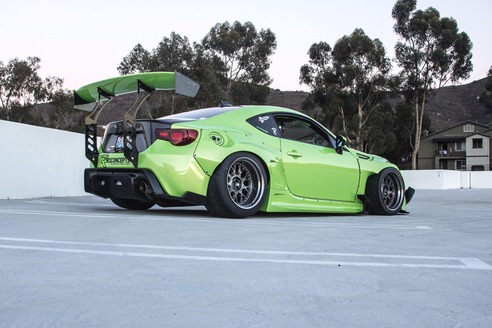
The Toyota 86 modifications scene has exploded in recent years, turning an already agile sports car into a personalized driving machine. Whether you autocross, track, or daily drive, the right Toyota 86 modifications can unlock hidden potential. This guide covers bolt-ons, suspension tweaks, and visual upgrades—all while keeping reliability in check.

Why Modify Your Toyota 86?

The 86’s boxer engine and lightweight chassis respond exceptionally well to aftermarket parts. Below, we break down key Toyota 86 modifications by system, listing what each part does and why you’d want it.

Exhaust and Intake Upgrades

What it does: Replaces restrictive stock components for freer airflow.
Benefits:

  • +10–15 HP (with tune)
  • Sharper throttle response
  • Deeper, sportier exhaust note

Popular choices: cat-back exhausts, cold-air intakes, and equal-length headers. Check FT86Club’s dyno database for real-world gains.

Suspension and Chassis Bracing

What it does: Lowers center of gravity and reduces body roll.
Benefits:

  • Flatter cornering
  • Improved rear-end grip
  • Adjustable damping (on coilovers)

Coilovers, sway bars, and strut braces are essential Toyota 86 modifications for track days. For budget builds, start with rear lower control arms to fix alignment after lowering.

Wheel and Tire Setup

What it does: Increases contact patch and reduces unsprung weight.
Benefits:

  • Shorter braking distances
  • Higher lateral G-force
  • More direct steering feel

17×8 or 18×8.5 wheels with 225-section tires are the sweet spot.

Real-World Benefits of Toyota 86 Modifications

Beyond raw numbers, smart Toyota 86 modifications enhance daily usability. A lightweight flywheel makes rev-matching quicker; a short-shifter kit tightens gear throws; and quality brake pads with high-temp fluid eliminate fade during mountain runs.

One overlooked mod: an oil cooler. The FA20 engine runs hot on track, so an oil cooler preserves viscosity and extends engine life.

Common Mistakes to Avoid

  • Skipping the tune after adding headers or intake → lean conditions
  • Oversized wheels → slower acceleration and tramlining
  • Cheap coilovers → harsh ride and blown dampers

Always prioritize supporting mods (tune, gauges, cooling) before chasing peak power.

Final Thoughts on Toyota 86 Modifications

Whether you want showroom stance or podium lap times, the right Toyota 86 modifications transform how the car feels and performs. Start with a clear goal—autocross, daily, or drift—then build around that. For more project car ideas, check our website. And remember: a well-modified 86 is more reliable and more fun than a neglected stock one.

READ MOREREAD MORE

Race Car Dash: The Complete Guide to Digital Displays, Data Loggers, and Driver InterfacesRace Car Dash: The Complete Guide to Digital Displays, Data Loggers, and Driver Interfaces

In professional motorsports and amateur track days alike, one component has become the true command center of the cockpit: the race car dash. This essential piece of equipment has evolved dramatically over the past decade, transforming from a simple cluster of analog gauges into a sophisticated digital hub that captures, analyzes, and displays critical performance data in real time. Understanding what a modern race car dash can do—and how to choose the right one for your build—is essential for any serious driver or team.

What Is a Race Car Dash?

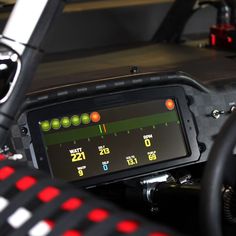
A race car dash is the primary interface between the driver and the vehicle’s systems. Unlike the dashboard in a daily driver, which prioritizes comfort and entertainment, a race car dash focuses exclusively on performance and safety. It displays vital information such as engine RPM, vehicle speed, coolant temperature, oil pressure, fuel level, gear position, and warning indicators. In advanced configurations, a race car dash also shows lap times, predictive timing, tire temperatures, and even G-forces.

The shift from analog to digital has made the race car dash more powerful than ever. Modern units combine multiple functions into a single, lightweight display, reducing clutter and improving visibility. For drivers competing in endurance racing, sprint racing, or time attack events, a reliable race car dash can mean the difference between a mechanical failure and a podium finish.

Why Every Race Car Needs a Proper Dash

Skipping a proper race car dash in favor of keeping the factory instrument cluster is a common mistake among first-time builders. Here is why that decision often backfires.

Instant Awareness of Engine Problems

Factory gauges are designed for street driving, not the extreme demands of track use. A dedicated race car dash includes programmable warning lights and audible alerts that trigger when critical thresholds are crossed. For example, if oil temperature spikes during a hot lap, the race car dash can flash a bright red light and sound a buzzer before engine damage occurs. Factory clusters lack this level of customization.

Optimized Driver Focus

Every millisecond counts on track. A well-designed race car dash places the most important information—RPM, water temperature, oil pressure—directly in the driver’s line of sight. Shift lights mounted at the top of the race car dash allow the driver to hit perfect shift points without glancing down at a tachometer. This keeps eyes on the racing line, reducing lap times and improving safety.

Data Logging for Improvement

Perhaps the most valuable feature of a modern race car dash is its ability to record data. After each session, drivers can download information about throttle application, braking points, steering angle, and cornering forces. Analyzing this data helps identify weak spots in driver technique. Many racers credit their race car dash with shaving multiple seconds off their lap times over the course of a season.

Weight Reduction

Factory dashboards are heavy. They contain plastic trim, air ducts, wiring for unnecessary accessories, and bulky gauge clusters. Replacing all of this with a lightweight race car dash can remove 10 to 20 pounds from the vehicle. In racing, every pound matters.

Types of Race Car Dashes

Choosing the right race car dash requires understanding the different categories available on the market.

Entry-Level Digital Dashes

These units typically feature a 3.5-inch to 5-inch color display and offer basic functions: RPM, speed, water temperature, oil pressure, and voltage. Entry-level race car dash options from brands like AEM and Innovate Motorsports are perfect for track day enthusiasts on a budget. Prices range from $300 to $700.

Mid-Range Performance Dashes

A mid-range race car dash expands to a 5-inch to 7-inch screen and adds GPS lap timing, predictive lap times, and data logging. These units often include six to eight analog inputs for additional sensors. Brands like AIM Sports and Racepak dominate this segment. Expect to pay $800 to $1,500 for a quality mid-range race car dash.

Professional-Grade Dashes

At the top end, professional race car dash units feature 7-inch to 10-inch high-brightness displays, 20 or more sensor inputs, built-in accelerometers, and advanced CAN bus integration. These race car dash systems are used in IMSA, World Challenge, and professional drifting series. MoTeC and Cosworth are the industry leaders. Prices range from $2,000 to $5,000 or more.

GPS-Enabled Dashes

Many modern race car dash units include built-in GPS receivers. This eliminates the need for external lap timing beacons. A GPS-enabled race car dash can automatically detect start/finish lines, calculate predicted lap times, and display track maps. For drivers who frequent multiple tracks, this feature is invaluable.

How to Install a Race Car Dash

Installing a race car dash requires planning, patience, and basic electrical knowledge. Follow these steps for a successful installation.

Step 1: Remove the Factory Dashboard

Strip away all original dashboard components, including the instrument cluster, trim panels, and wiring harnesses that are not needed for racing. This provides a clean slate for mounting your new race car dash.

Step 2: Fabricate a Mounting Panel

Most aftermarket race car dash units require a custom mounting panel. Use aluminum sheet (0.063-inch thickness) or carbon fiber for a professional result. Cut holes for the race car dash, warning lights, and toggle switches. Paint or wrap the panel to match your cockpit.

Step 3: Run New Wiring

Create a dedicated wiring harness for your race car dash. Use automotive-grade wire and weatherproof connectors. Route wires away from hot exhaust components and moving parts. Label every connection for future troubleshooting.

Step 4: Connect Sensors

Your race car dash needs accurate data from sensors. Install a water temperature sender in the cylinder head or intake manifold. Mount an oil pressure sender near the oil filter housing. Connect the race car dash to the vehicle speed sensor or use GPS for speed data.

Step 5: Configure the Software

Most digital race car dash units come with PC-based configuration software. Set warning thresholds, choose display layouts, and calibrate sensors before hitting the track. Test every function during a shakedown session.

Common Features of a Race Car Dash

When shopping for a race car dash, look for these features:

  • Shift Lights: Sequential LEDs that illuminate as RPM increases
  • Warning Lamps: Programmable alerts for low oil pressure, high temperature, or low fuel
  • Data Logging: Internal memory or SD card storage for session recording
  • CAN Bus Support: Direct connection to engine management systems
  • GPS Integration: Lap timing and track mapping without external hardware
  • Ambient Light Sensor: Automatic screen brightness adjustment for day and night driving

Top Brands for Race Car Dashes

Several manufacturers dominate the race car dash market. AIM Sports offers excellent mid-range options with intuitive software. Racepak specializes in drag racing-oriented dashes with powerful data analysis tools. MoTeC is the gold standard for professional teams, offering unmatched customization and reliability. For budget builders, AEM and Holley provide solid entry-level race car dash products.

Investing in a quality race car dash is one of the smartest decisions a driver can make. It protects your engine, provides actionable performance data, and helps you become a better driver. Whether you choose a simple digital display or a full telemetry system, the right race car dash transforms your cockpit into a true command center. Do not settle for factory gauges. Upgrade to a dedicated race car dash and experience the difference on your next track day.

READ MOREREAD MORE

Raih Tampilan Interior Mewah dengan Sarung Jok Mobil Tangerang BerkualitasRaih Tampilan Interior Mewah dengan Sarung Jok Mobil Tangerang Berkualitas

Bagi pemilik kendaraan, kabin yang bersih dan nyaman adalah prioritas. Namun, jok mobil original cepat kotor, robek, atau luntur karena paparan sinar matahari dan penggunaan sehari-hari. Solusi terbaik? Gunakan sarung jok mobil Tangerang yang berkualitas. Kota Tangerang kini menjadi pusat berbagai aksesori otomotif, termasuk sarung jok custom yang bisa mengubah tampilan interior mobil Anda jadi lebih eksklusif.

Mengapa Memilih Sarung Jok Mobil di Tangerang?

Tangerang, terutama wilayah seperti Cipondoh, Pinang, hingga Karawaci, dikenal memiliki banyak bengkel jahit dan toko aksesori mobil dengan harga bersaing. Berbeda dengan produk jadi di pasaran, sarung jok mobil Tangerang umumnya menawarkan jasa jahit custom. Artinya, Anda bisa memilih bahan mulai dari kulit sintetis, diamond, hingga kain kanvas yang dibentuk persis mengikuti kontur jok mobil Anda.

Keuntungan memakai produk lokal Tangerang:

  • Ukuran pas sempurna: Tidak longgar atau menyempit seperti sarung universal.
  • Banyak pilihan motif: Dari polos elegan hingga warna cerah sporty.
  • Harga lebih bersahabat: Dibandingkan Jakarta, biaya jahit dan bahan di Tangerang 20-30% lebih murah.

Bahan Terbaik untuk Sarung Jok Mobil

Saat mencari sarung jok mobil Tangerang, perhatikan tiga bahan unggulan:

  1. Kulit sintetis (PVC/leather): Mudah dibersihkan, tahan air, cocok untuk keluarga dengan anak kecil.
  2. Oscar / microsuede: Lembut, adem, tidak panas meski mobil terparkir di bawah terik matahari.
  3. Kanvas / jeans: Kuat dan tahan lama, ideal untuk mobil operasional atau truk.

Tips Memilih Tempat Jahit Sarung Jok di Tangerang

Agar tidak salah pilih, pastikan Anda memeriksa:

  • Portofolio hasil jahitan: Lihat langsung jahitan sudut-sudut jok apakah rapi.
  • Garansi jahitan: Toko terpercaya biasanya memberikan garansi 3-6 bulan.
  • Lokasi strategis: Banyak rekomendasi bengkel di Jl. Moh. Toha, Cikokol, atau sekitar Alam Sutera.

Keuntungan Memasang Sarung Jok Custom

Selain estetika, sarung jok mobil Tangerang yang dipasang dengan presisi meningkatkan nilai jual mobil. Interior yang terawat menjadi daya tarik utama saat Anda hendak menjual kendaraan. Sarung jok juga melindungi jok asli dari noda kopi, tumpahan minuman, atau cakaran hewan peliharaan.

Rekomendasi Singkat

Jika Anda tinggal di sekitar Tangerang Raya (Tangerang Selatan, Kota Tangerang, Kabupaten Tangerang), luangkan waktu untuk survei ke pusat aksesoris di Pasar Citeureup atau Ruko Modernland. Bandingkan harga bahan dan ongkos jahit. Dengan budget mulai Rp350.000 hingga Rp1.200.000, Anda sudah bisa mendapatkan sarung jok mobil Tangerang dengan kualitas standar showroom.

Jangan tunda lagi. Investasi pada sarung jok custom tidak hanya mempercantik kabin, tapi juga menjaga aset mobil Anda. Cari penyedia sarung jok mobil Tangerang terpercaya sekarang, dan rasakan perbedaan kenyamanan berkendara setiap hari.

READ MOREREAD MORE

Rekomendasi Sarung Jok Mobil Tangerang – Produk Paten, Harga Reseller, Pemasangan RapiRekomendasi Sarung Jok Mobil Tangerang – Produk Paten, Harga Reseller, Pemasangan Rapi

Setiap pemilik mobil pasti menginginkan interior yang bersih, nyaman, dan menarik perhatian. Namun, jok mobil original seringkali menjadi bagian yang paling cepat rusak karena penggunaan sehari-hari. Mulai dari noda kopi, keringat, debu jalanan, hingga goresan aksesoris lain bisa merusak penampilan jok. Solusinya? Pasang sarung jok mobil Tangerang berkualitas dari saya, seorang reseller resmi produk paten toko sarungjokmobil.my.id yang juga aktif di Instagram @sarungjokpatenmobil.id.

Kenapa Harus Sarung Jok? Ini Manfaatnya

Sarung jok bukan sekadar aksesoris. Ia adalah pelindung utama jok original mobil Anda. Dengan memakai sarung jok, Anda mendapatkan:

  1. Perlindungan maksimal – Jok terlindung dari tumpahan, kotoran, sinar UV, dan keausan.
  2. Kenyamanan berkendara – Bahan berkualitas membuat Anda tidak mudah pegal meski macet berjam-jam di Tangerang.
  3. Nilai jual tetap tinggi – Mobil dengan jok original yang masih mulus akan lebih laku saat dijual.
  4. Tampilan kustom – Ubah suasana kabin sesuai selera tanpa harus mengganti jok asli.

Keunggulan Produk yang Saya Tawarkan

Sebagai reseller yang sudah berpengalaman, saya hanya menjual sarung jok mobil paten dari sarungjokmobil.my.id. Produk ini memiliki kualitas yang sulit ditandingi oleh produk grosiran biasa. Inilah kelebihannya:

  1. Bahan Adem dan Anti Air

Menggunakan Oscar microfiber dan kain mesh premium yang didesain khusus untuk iklim tropis seperti Tangerang. Bahan ini tidak menyerap panas, sehingga jok tidak akan terasa membakar saat Anda masuk mobil setelah terparkir di bawah terik matahari. Selain itu, sifat anti air membuat noda tumpahan tidak langsung meresap—cukup dilap dengan kain basah, bersih kembali.

  1. Jahitan Presisi High-Speed

Setiap produk dijahit dengan mesin berteknologi tinggi sehingga jahitan rapi, kuat, dan tidak mudah sobek meski digunakan bertahun-tahun. Bahkan, toko sarungjokmobil.my.id memberikan garansi jahitan 6 bulan sebagai bentuk tanggung jawab atas kualitas.

  1. Custom untuk Semua Tipe Mobil

Tidak ada istilah “universal” yang longgar atau sempit di sini. Saya melayani pemesanan sarung jok yang dijahit khusus sesuai ukuran jok mobil Anda. Apapun merek dan tipe mobil Anda—Avanza, Xenia, Brio, Sigra, Ertiga, Fortuner, Pajero, hingga LCGC sekalipun—semua bisa.

  1. Desain Kekinian dari @sarungjokpatenmobil.id

Ingin tampil beda? Anda bisa memilih berbagai desain yang terinspirasi langsung dari unggahan Instagram @sarungjokpatenmobil.id. Pilihan populer saat ini antara lain:

  • Two-tone sporty (hitam + merah/orange)
  • Diamond quilting (motif wajik mewah)
  • Warna solid elegan (krem, coklat, atau abu-abu gelap)

Saya Reseller Lokal di Tangerang, Bukan Perantara Jauh

Apa bedanya membeli dari saya dibandingkan dari toko lain? Sebagai reseller yang berada langsung di Tangerang, saya menawarkan:

  • Respons cepat – Chat dibalas dalam hitungan menit, tidak perlu menunggu lama.
  • Bisa lihat sampel bahan – Saya bisa menunjukkan langsung contoh kain sebelum Anda memutuskan membeli.
  • Pemasangan oleh ahlinya – Saya bekerja sama dengan bengkel mitra di kawasan Cipondoh, Karawaci, dan BSD yang siap memasang sarung jok dengan rapi seperti jok original.
  • Harga lebih hemat – Karena saya menjual langsung dari reseller ke konsumen, harga yang saya berikan lebih murah dibandingkan toko fisik di mall atau pasar mobil.
  • Estimasi Harga dari Saya

Berikut kisaran harga sarung jok mobil Tangerang yang saya tawarkan:

Bahan Harga Full Set
Kain Mesh (jok depan saja) Mulai Rp350.000
Oscar Microfiber Rp900.000 – Rp1.300.000
Kulit Sintetis (diamond quilting) Rp1.700.000 – Rp2.400.000

Harga sudah termasuk jahitan custom sesuai tipe mobil. Biaya pemasangan tergantung lokasi, mulai Rp100.000.

Cara Memesan

Memesan sangat mudah. Cukup ikuti langkah berikut:

  1. Chat WhatsApp saya (nomor tertera di profil).
  2. Sebutkan tipe mobil Anda (contoh: Toyota Avanza 2018).
  3. Pilih bahan dan warna yang diinginkan (bisa lihat inspirasi di @sarungjokpatenmobil.id).
  4. Saya konfirmasi harga dan waktu pengerjaan (biasanya 2-4 hari).
  5. Sarung jok siap dipasang – bisa ambil sendiri atau saya bantu pasang di bengkel mitra.

Testimoni Pembeli Sebelumnya

“Pasang sarung jok dari reseller ini untuk Brio saya. Bahannya adem, jahitan rapi, dan pemasangannya cepet. Harganya juga lebih murah daripada tojo di Ciledug. Rekomendasi banget!”
— Andri, Tangerang Kota

“Awalnya ragu beli online, tapi setelah lihat IG @sarungjokpatenmobil.id, saya yakin. Ternyata pas dipasang, ukurannya presisi. Makasih resellernya yang ramah.”
— Sari, Karawaci

Jangan biarkan jok mobil Anda rusak dan menurunkan nilai jual kendaraan. Pasang sarung jok mobil Tangerang berkualitas dari saya, reseller resmi produk paten sarungjokmobil.my.id dengan referensi desain dari @sarungjokpatenmobil.id. Dapatkan bahan premium, jahitan presisi, desain kekinian, harga bersahabat, dan layanan pemasangan rapi. Hubungi saya sekarang dan rasakan sendiri perbedaan berkendara yang lebih nyaman dan bergaya!

READ MOREREAD MORE

Persiapan Mobil Sebelum Ikut Festival Otomotif: Jangan Sampai Malu di ArenaPersiapan Mobil Sebelum Ikut Festival Otomotif: Jangan Sampai Malu di Arena

Bagi pecinta otomotif di Yogyakarta dan sekitarnya, festival motor dan mobil adalah ajang bergengsi. Bukan hanya soal performa mesin, tetapi juga penampilan kendaraan. Mobil yang kotor, berdebu, atau bernoda air akan mengurangi nilai estetika, bahkan bisa membuat Anda kehilangan kepercayaan diri saat dipamerkan di hadapan ribuan pengunjung.

Jika Anda berencana membawa mobil kesayangan ke festival mendatang, pastikan kondisi mobil spotless sempurna. Salah satu kunci utamanya adalah menggunakan jasa cuci mobil Bantul yang profesional, seperti GC Car Wash Paris, agar mobil Anda siap bersaing di arena.

Mengapa Cuci Biasa Tidak Cukup?

Mencuci sendiri dengan spons dan sampo rumahan memang praktis, tapi hasilnya seringkali tidak maksimal. Ada beberapa masalah yang hanya bisa diatasi oleh peralatan profesional:

1. Debu halus yang menempel – Jika tidak diangkat dengan teknik snow wash, debu ini akan menggores cat saat dilap.
2. Noda air dan hujan asam – Membuat cat mobil tampak kusam, terutama saat terkena sinar matahari arena festival.
3. Bekas lem atau stiker – Sisa stiker event lama sering meninggalkan noda membandel.

Untuk mengatasi semua itu, Anda membutuhkan layanan cuci mobil Bantul yang memiliki teknologi high pressure dan cairan khusus. GC Car Wash Paris adalah salah satu rekomendasi terbaik di wilayah Bantul yang sudah terbukti menangani banyak mobil peserta festival.

Langkah Persiapan Mobil untuk Festival

Agar mobil Anda menjadi pusat perhatian di festival motor mobil, ikuti langkah berikut:

1. Cuci Eksterior Premium

Jangan hanya cuci biasa. Pilih paket yang mencakup pembersihan velg, ban, dan celah-celah bodi. Di GC Car Wash Paris, proses cuci mobil Bantul mereka menggunakan busa tebal (snow wash) yang lembut di cat tapi kuat mengangkat kotoran.

2. Wax atau Coating Ringan

Wax membuat cat mobil lebih mengilap dan melindungi dari debu arena. Untuk hasil terbaik, lakukan waxing maksimal H-1 festival.

3. Interior Bebas Debu

Pengunjung festival sering membuka pintu mobil untuk melihat interior. Pastikan kabin bebas debu, remah, dan bau apek dengan layanan dry cleaning.

4. Semir Ban dan Pelek

Ban yang kusam akan merusak kesan keseluruhan. Semir ban membuat tampilan mobil lebih gagah dan kontras.

Keuntungan Menggunakan GC Car Wash Paris

Berlokasi strategis di kawasan Paris, Bantul, GC Car Wash Paris memahami kebutuhan peserta festival otomotif. Mereka menawarkan:

· Proses cepat – Hanya 30–45 menit untuk pak lengkap.
· Harga bersahabat – Mulai dari Rp25.000 untuk cuci eksterior.
· Tenaga ahli – Tim terlatih yang paham cara menangani mobil modifikasi maupun standar.

Banyak peserta festival di Jogja dan Bantul yang sudah mempercayakan mobil mereka ke GC Car Wash Paris sebelum turun ke arena. Hasilnya? Mobil kinclong, bebas noda, dan siap difoto dari berbagai sudut.

Tampil memukau di festival motor dan mobil bukanlah hal mustahil. Dengan persiapan yang matang dan memilih jasa cuci mobil Bantul yang tepat, mobil Anda bisa menjadi bintang di arena. Jangan sampai penampilan mobil yang kotor mengurangi semangat Anda berfestival.

Segera kunjungi GC Car Wash Paris sebelum acara festival dimulai. Buktikan sendiri perbedaan hasil cuci profesional!

READ MOREREAD MORE